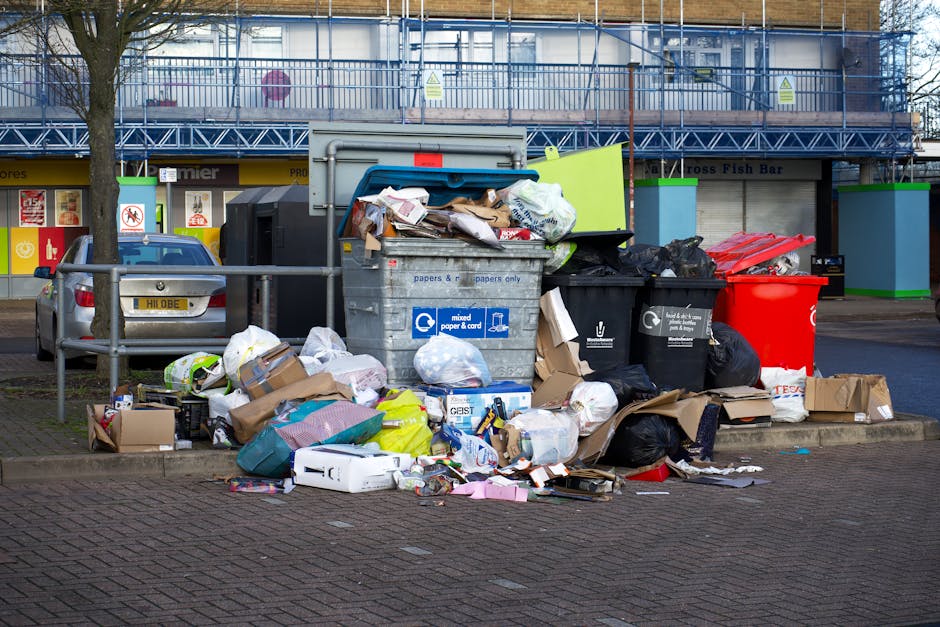
Avoid fines: furniture disposal rules for Bedford Park
Posted on 05/07/2026

If you are replacing a sofa, clearing out a bed frame, or finally getting rid of that wobbly wardrobe, the last thing you want is a surprise fine. Avoid fines: furniture disposal rules for Bedford Park are mostly about using the right route, keeping pavements clear, and not treating bulky waste like ordinary rubbish. Sounds simple enough, but in practice people get caught out by timing, access, and what counts as fly-tipping. This guide breaks it down in plain English so you can dispose of furniture properly, save time, and avoid an expensive mistake.
Whether you are moving out, downsizing, managing a flat clearance, or just doing a long-overdue spring clean, the safest approach is to plan ahead. A little preparation goes a long way, and to be fair, it usually costs less than sorting out a problem after the fact.
Why Avoid fines: furniture disposal rules for Bedford Park Matters
Furniture disposal feels like a small job until it becomes a street-level problem. In Bedford Park, where roads can be narrow and parking is often tight, one abandoned sofa or mattress can quickly block access, annoy neighbours, and attract attention from enforcement teams. That is where fines can happen. Not because you owned a chair that had a bad day, but because it was left out in the wrong way or at the wrong time.
The bigger issue is that furniture is bulky. It cannot usually go in a normal household bin, and it should not be dumped beside communal bins, on the kerb, or near estate entrances just because it feels convenient. If a collection has not been arranged, the item still belongs to you. That is the bit people forget.
There is also a practical side. A careless disposal job can damage shared hallways, scratch pavements, or create a hazard for pedestrians. If you live in a flat or a house with limited access, that risk is even higher. We see this a lot around busy moving days: someone assumes "I'll just pop it outside later," and then later turns into a fine, a complaint, or a very awkward chat with building management. Not ideal.
Expert summary: The safest furniture disposal plan in Bedford Park is the one that removes the item cleanly, keeps shared spaces clear, and uses an approved collection or reuse route rather than leaving the job half-finished.
How Avoid fines: furniture disposal rules for Bedford Park Works
Think of furniture disposal as a few separate decisions. First, decide whether the item can be reused, repaired, recycled, or needs to be removed as bulky waste. Second, check how it can be taken away without blocking access or breaching building rules. Third, choose the method that best fits your time, budget, and property type.
In many real-life cases, the process is less about a single rule and more about common-sense compliance. A sofa placed outside a front door for "a minute" can still be a problem if it obstructs a path. A broken chest of drawers left in a communal hallway can create fire safety issues. A mattress dumped near a skip can be treated as fly-tipping if it was not arranged properly. None of that is complicated, but it does matter.
If you are moving home, it helps to align disposal with the rest of your move. For example, if you are already decluttering before a relocation, combine the furniture clear-out with packing and removal planning. Our decluttering guide before a move is useful for deciding what should go, what should stay, and what can be sold or donated instead of binned.
For heavy pieces, especially wardrobes, bed bases, and large sofas, disposal is often safest when handled like a removal job rather than a casual lift-and-carry task. That is where local support such as furniture removals in Bedford Park can save time and reduce the chance of damage. And yes, your back will probably thank you too.
Key Benefits and Practical Advantages
Following the right furniture disposal process is not only about avoiding fines. It also makes the whole job calmer and far less messy. You notice it especially on moving day, when there are already enough moving parts-boxes, keys, cleaning, parking, lifts, the whole circus.
- Lower risk of penalties: You reduce the chance of fly-tipping, obstruction, or improper roadside placement.
- Safer access for everyone: Hallways, stairwells, and pavements stay usable.
- Less damage to property: Careful handling protects walls, floors, and communal areas.
- Better reuse outcomes: Good items may be sold, donated, or stored rather than thrown away.
- Less stress on moving day: Disposal is planned rather than rushed at the last minute.
There is also a financial benefit that people often overlook. If you dispose of everything in one panicked burst, you may end up paying for emergency help, extra van space, or a second trip. If you plan it well, you can often combine disposal with other tasks like a house move, storage, or even a same-day clearance. If that is the kind of pace you need, same-day removals in Bedford Park can be a practical option when time is tight.
Who This Is For and When It Makes Sense
This advice is for anyone in Bedford Park who needs to get rid of furniture without causing trouble. That includes tenants ending a lease, homeowners refreshing a property, landlords clearing a vacant flat, students moving out, and office teams replacing desks or shelving.
It is particularly relevant if you live in a flat with limited access. A narrow staircase, a shared entrance, or a building with strict management rules changes everything. One bulky sofa can become a logistical puzzle very quickly. If that sounds familiar, you may also find our piece on short-stair flat moves in Bedford Park helpful, because furniture disposal in flats and small communal spaces often creates the same access headaches.
It also makes sense when you are replacing items during a move. A bed frame might be too awkward to take to the new place. An office chair may not fit your new setup. A freezer or large storage unit might need careful planning before removal. If you are dealing with mixed items rather than just furniture, the broader planning tips in this stress-free house move guide can help keep everything in order.
Truth be told, this is not only for big moves. Even one unwanted sofa can become a nuisance if you leave it sitting around too long. Best deal with it early.
Step-by-Step Guidance
Here is a practical way to handle furniture disposal in Bedford Park without overcomplicating it.
- Identify the item and its condition. Ask whether it is reusable, repairable, recyclable, or only fit for disposal. A scratched table might be sold. A water-damaged mattress usually cannot.
- Check access and building rules. If you are in a flat or managed property, confirm whether items can be carried through communal areas and at what times. It sounds boring, but it avoids awkward conversations later.
- Remove anything that can be reused. Books, cushions, removable legs, shelves, and fittings should be separated. This can make the item lighter and easier to handle.
- Choose the disposal route. Options usually include reuse, donation, recycling, or a professional removal service. The right route depends on condition, size, and urgency.
- Book transport or help if needed. Heavy or awkward furniture is not a solo project unless you enjoy the sound of bumping into a banister at 7:30 in the morning.
- Keep pavements and entrances clear. Do not place bulky furniture outside unless it is part of a proper collection arrangement and allowed by your property or local process.
- Confirm completion. Once the item is gone, tidy the area and make sure no screws, broken parts, or packaging have been left behind.
If you are also moving furniture into storage rather than discarding it, planning matters just as much. A useful companion read is how to protect your couch for long-term storage, because the wrong prep can turn a decent sofa into a musty, damaged problem later.
What to do with different furniture types
Sofas and armchairs: Large, bulky, and often difficult to pass through narrow hallways. Remove cushions and any detachable legs before moving. If the piece is in good condition, donation or resale may be possible.
Beds and mattresses: Separate the frame from the mattress. Some frames can be dismantled into manageable sections, which is often the safest route. For help with this kind of job, see our bed and mattress moving guide.
Wardrobes and shelving: Empty completely, remove glass where possible, and take doors off if that makes the lift safer. It is usually better to dismantle than to wrestle a full-size unit through a tight doorway.
Desks and office furniture: Separate drawers, cable trays, and monitors before the main item moves. Office clear-outs can look deceptively simple until you hit hidden fixings and heavy tops. Our office removals Bedford Park page is relevant if the furniture disposal is part of a workplace change.
Expert Tips for Better Results
The little details matter more than most people think. A few sensible habits can make disposal quicker, cleaner, and less expensive.
- Measure doorways and stairs before moving anything. One quick measurement can save a lot of swearing later.
- Disassemble whenever practical. Flat-packed parts are easier to carry, load, and sort for disposal.
- Keep hardware in labelled bags. If you may reuse the item, store screws and fittings together.
- Protect floors and walls. Blankets, corner protectors, or even a simple clear route reduce damage.
- Work from the inside out. Clear the item from the room before trying to move it through a busy hallway.
- Plan around access windows. If the lift, loading area, or driveway is shared, timing matters more than people expect.
A small, honest tip: if a piece looks too awkward to move safely, it probably is. That is not weakness. That is experience. A lot of furniture-related damage happens because someone tries to save ten minutes and ends up with a scraped wall, a strained shoulder, or both.
If you want a safer lifting approach for heavy items, our kinetic lifting basics and solo lifting tips for heavy objects are useful background reads. And if you are moving other awkward belongings too, the article on the risks of moving a piano solo gives a good sense of why specialist handling matters.

Common Mistakes to Avoid
Most disposal problems are surprisingly ordinary. That is the frustrating part. People are not usually trying to do the wrong thing; they are just rushing.
- Leaving furniture on the kerb without arrangement. This is one of the quickest ways to create a complaint or enforcement issue.
- Assuming "someone will take it". Sometimes items disappear. That does not mean the disposal was lawful or safe.
- Not checking building rules. Communal spaces often have specific handling or timing requirements.
- Ignoring broken parts. Loose screws, shattered panels, and protruding nails can injure people.
- Trying to move oversized items alone. It rarely ends well. Rarely.
- Leaving the job half-done. If the main item is gone but packaging, fittings, or debris remain, the area still looks unmanaged.
Another common mistake is forgetting that furniture disposal often sits alongside other moving tasks. If you are clearing a property before handover, the final clean matters too. The house move-out cleaning guide can help make sure the place is left in decent condition, which is especially important for tenants.
And yes, sometimes people wait until the day before the move. It happens. But late decisions are where fines, stress, and bad lifting choices tend to live.
Tools, Resources and Recommendations
You do not need a truckload of kit to dispose of furniture properly, but a few basic tools make life easier.
- Measuring tape: Useful for doors, stair turns, and lift access.
- Screwdriver set or drill: Handy for taking furniture apart.
- Heavy-duty gloves: Good for grip and hand protection.
- Furniture blankets or moving pads: Helps protect walls and flooring during removal.
- Labels and zip bags: Great for screws, bolts, and brackets.
- Straps or trolleys: Helpful for larger items where safe handling matters.
If the item is too large, too heavy, or too awkward for a straightforward lift, it is often more sensible to use a professional service rather than improvising. A proper removal team can handle bulky pieces in a way that reduces risk and saves a lot of time. If you are comparing support options, have a look at the services overview, man and van Bedford Park, and removal services Bedford Park to understand how furniture disposal can sit inside a bigger move or clearance plan.
For items you do not want to throw away but cannot keep at home, temporary holding can be useful. Storage in Bedford Park gives you breathing room when you need to decide later, which is a nice relief when the schedule is already noisy.
Law, Compliance, Standards, or Best Practice
Furniture disposal in Bedford Park should follow the wider UK expectations around waste handling, property access, and public safety. You do not need to become a legal expert, but you do need to understand the basic principle: if you create waste, you are responsible for disposing of it properly.
In practical terms, that means avoiding illegal dumping, not blocking public routes, and not leaving bulky items in places where they become a hazard. If you are in a managed building, lease terms or building rules may be even stricter than the general street-level norm. That is quite common in London. The building manager may not shout about it, but they will care if a fire exit or shared passage becomes cluttered.
Best practice is simple:
- Use an approved removal or collection route.
- Separate reusable items from waste where possible.
- Keep access ways clear during loading.
- Store the item securely if collection is delayed.
- Document any arranged collection or removal in case you need to prove what happened.
If you are concerned about safety during handling or transit, our insurance and safety page is a good place to understand how care and protection are approached on removal jobs. For payment-related reassurance, payment and security explains how booking and payment are handled in a more structured way.
For those who want to align disposal with greener choices, the recycling and sustainability page is worth a look. Reuse and recycling are often the better route when the item still has life left in it, and that is usually better for your wallet too.
Options, Methods, or Comparison Table
There is no single right way to dispose of furniture in Bedford Park. The best option depends on urgency, condition, and access. Here is a simple comparison.
| Method | Best for | Pros | Watch-outs |
|---|---|---|---|
| Reuse or donation | Items in decent condition | Low waste, often no disposal cost, feels tidy | Needs time, may require collection or drop-off planning |
| Professional removal | Large, heavy, awkward, or urgent items | Safer handling, faster, suitable for flats and tight access | Costs more than doing nothing, though usually less than fixing damage |
| Storage first | Items you are unsure about | Buys time, reduces rushed decisions | Not a final disposal solution, and storage can add cost |
| Break down for recycling | Furniture that can be separated into materials | Reduces bulk, may support recycling goals | Requires tools, time, and a bit of patience |
For many households, the most sensible answer is a mix of methods. Keep what is useful, sell or donate what still has value, and remove the rest through a proper service. If the furniture is part of a full property clear-out or move, the route you choose may also depend on access. The local moving notes in this narrow-street moving guide and parking permit advice for Bedford Park moves are especially relevant when vehicle access is tricky.
Case Study or Real-World Example
A typical Bedford Park scenario goes like this. A couple is moving from a first-floor flat and wants to get rid of a bed frame, two armchairs, and an old dining table. At first, they plan to leave the items outside on moving day, then "sort it later". That would have been a mess. The stairwell is narrow, the road is busy, and there is no spare room to pile things up.
Instead, they sort the items a week earlier. The bed is dismantled. The table legs are removed. One chair is in good enough condition to pass on, while the others are too worn to keep. They book help for the heavy lifting and schedule removal so the hallway is clear by the evening before handover. Simple, but effective.
The real win? No blocked entrance, no last-minute panic, and no temptation to push a sofa outside and hope for the best. That is usually how people get into trouble.
If the same household had also needed help with moving routes, van access, or timing around busy streets, they could have checked the practical moving notes on best moving routes into Bedford Park and Devonshire Road moving guidance. Those are not disposal guides exactly, but they are useful when furniture removal is tied to a move. Which it often is, honestly.
Practical Checklist
Use this before you move any furniture out of your property:
- Confirm whether the item can be reused, donated, recycled, or removed as waste.
- Check your building rules, lease terms, or landlord instructions.
- Measure doors, stairs, and lifts before you start lifting.
- Dismantle large items where possible.
- Remove cushions, drawers, shelves, glass, and loose fittings.
- Bag screws and small parts together.
- Protect floors, walls, and corners.
- Keep entrances, pavements, and fire exits clear.
- Arrange transport or professional help in advance.
- Make sure the item is not left behind by accident. It happens more than you would think.
If you are also working through a bigger move, it helps to coordinate disposal with packing. Packing and boxes in Bedford Park can make the whole process more organised, while smart packing strategies reduce clutter and prevent last-minute pile-ups.
Conclusion
Furniture disposal in Bedford Park does not have to be stressful. Once you understand the basic rules, the main job is simply to plan ahead, keep communal areas clear, and choose the right method for the item in front of you. That is really the heart of it. Do that well and you are far less likely to face fines, complaints, or an exhausting last-minute scramble.
Whether you are clearing one old sofa or an entire flat's worth of furniture, the smartest approach is the one that keeps you safe, keeps your neighbours happy, and leaves no mess behind. If you are unsure about heavy items, awkward access, or a tight moving deadline, use a professional removal route rather than improvising. It is usually the calmer option, and let's face it, calm is underrated when there are stairs involved.
Get a free quote today and see how much you can save.
In the end, good disposal is just tidy thinking made practical. A little care now can save a lot of hassle later, and that is always a decent trade.