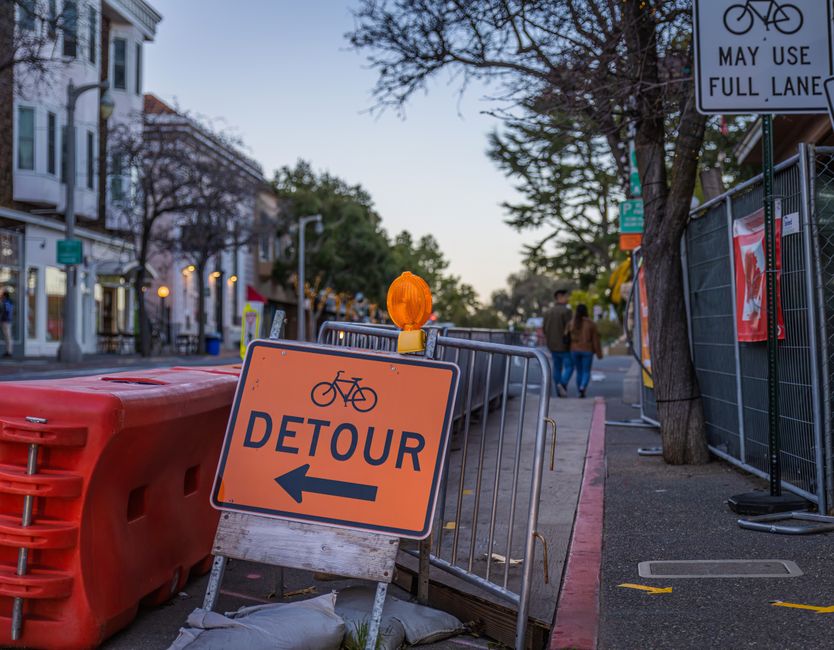
Do I need a street closure for a Bedford Park move?
If you are planning a Bedford Park move, one of the first practical questions is whether you need a street closure. In many cases, the honest answer is no. But sometimes parking pressure, narrow roads, shared access, or a large removal vehicle can make a temporary closure or traffic management plan worth considering. The trick is knowing the difference between a straightforward loading job and a move that could block a lane, upset neighbours, or slow everything to a crawl.
That matters more than people expect. A move can look simple on paper and then turn awkward at 8:15 on a damp weekday morning, when vans are circling, bins are out, and someone is trying to reverse a long wheelbase vehicle into a tight gap. This guide breaks down when a street closure may be needed, how it usually works in practice, what the real alternatives are, and how to avoid last-minute stress.
As a practical local note, the aim is not to make the process more complicated than it needs to be. It is to help you plan a Bedford Park move that is legal, calm, and far less chaotic than a rushed roadside shuffle. If you are comparing options, it may also help to look at home moves, man and van, or house removals depending on the size of the job.
Table of Contents
- Why a street closure decision matters
- How a street closure or traffic plan works
- Key benefits and practical advantages
- Who needs this and when it makes sense
- Step-by-step guidance
- Expert tips for better results
- Common mistakes to avoid
- Tools, resources and recommendations
- Law, compliance and best practice
- Options, methods and comparison
- Case study or real-world example
- Practical checklist
- Conclusion
- Frequently asked questions
Why a street closure decision matters
A street closure is not just a box to tick. It affects access, timing, neighbour relations, safety, and the overall cost and complexity of moving day. In Bedford Park, where streets can feel tighter than they look on a map, even a short loading stop can become awkward if there is nowhere sensible for the van to sit.
For smaller moves, you may only need sensible parking, a quick loading plan, and a van that fits the road. For larger moves, especially if you are using a bigger removal truck or moving several rooms of furniture, keeping part of the street clear may be the difference between a smooth handover and a very long morning. Truth be told, the traffic cone versus the sofa debate is not one anyone wants to have on moving day.
It also matters because the people involved are often juggling more than boxes. You might have tenants arriving, a seller waiting, or an office team trying not to lose an entire working day. A poor access plan can ripple through all of that. If you want a service overview before deciding, the pages on removal services and movers are useful starting points.
Expert summary: most Bedford Park moves do not need a formal street closure, but many do benefit from an access plan, resident communication, and a van size that matches the road. A closure becomes relevant when the move would block access, create a safety issue, or significantly disrupt the street.
How a street closure or traffic plan works
People often imagine a street closure as a dramatic event with barriers, letters, and official permission. Sometimes that is exactly what it is. More often, though, the practical solution is a temporary parking arrangement, a suspension of a bay, or a controlled loading plan that leaves room for vehicles and pedestrians.
In plain English, the process usually goes like this: you identify the access problem, decide whether a van can load safely without obstructing the road, and then work out whether a formal closure or parking control is needed. If the road is wide enough and the move is brief, the answer may be a simple no. If the vehicle would sit across part of the carriageway, or if the street is already congested, then extra planning becomes more sensible.
For example, a one-bedroom flat with limited furniture may only need a standard van and a clear loading space near the entrance. A bigger family home, or a move involving a lot of bulky furniture, may need more room. If you are unsure what vehicle is appropriate, a look at moving van and removal van options can help you match the vehicle to the access conditions.
There is also a timing side to this. Early mornings are often easier for loading because the road is calmer. Mid-morning on a school run route? Different story entirely. A quiet street can turn busy very quickly.
Key benefits and practical advantages
When a street closure or traffic management plan is genuinely needed, it can make the whole move safer and less stressful. The big advantage is space. Space to load. Space to turn. Space for pedestrians to pass without weaving around boxes and open tailgates.
There is also a speed benefit. A crew that can work without constantly moving a van a few feet forward and back will usually get more done in less time. That matters if you are paying by the hour or trying to keep disruption down for neighbours or a building manager.
Other advantages include:
- reduced risk of damage to furniture, vehicles, and nearby parked cars
- better pedestrian safety during loading and unloading
- less chance of awkward parking disputes on the day
- clearer planning for larger or multiple-vehicle moves
- more predictable timing for keys, handovers, and building access
If you are coordinating a bigger household move, it may be useful to compare full-service help such as house removals with a lighter option like man with van removal. The right fit often depends on access as much as volume.
Who this is for and when it makes sense
Not every Bedford Park move needs formal traffic control. But some scenarios do make it more likely. If any of the following sound familiar, it is worth asking the question early rather than late:
- you live on a narrow residential street with limited on-street parking
- the removal vehicle will need to stop across part of the road
- there is no driveway or forecourt to use for loading
- you are moving a large number of heavy or bulky items
- there are multiple properties sharing the same access point
- you are moving into or out of a busy commercial premises
- the road has frequent passing traffic, school-time congestion, or tight turning space
This is where a practical service like house movers can be helpful, because a good team will look at access first, not just the box count. The same goes for office jobs. If a business move is involved, office removals and commercial moves usually need a different level of planning.
It also makes sense for people moving special items, such as large wardrobes, pianos, or awkward flat-pack pieces that do not behave themselves in a stairwell. Let's face it, some furniture seems to enjoy being difficult.
Step-by-step guidance
- Check the access at both ends. Look at the street width, parking pressure, turning space, and whether the vehicle can stop close enough to the property.
- Assess the size of the move. A few boxes and a sofa are one thing. A full family house with wardrobes, appliances, and storage items is another.
- Decide what vehicle is realistic. Sometimes a smaller van is safer than a bigger one. If the street is tight, size matters more than you might expect.
- Ask whether loading can happen from private space. A driveway, forecourt, or rear access path may remove the need for a street closure altogether.
- Plan your timing. Early departures can reduce parking conflict and make life easier for everyone involved.
- Speak to the building or neighbours if needed. A simple heads-up can prevent complaints, blocked exits, or surprise objections on the day.
- Confirm insurance and safety arrangements. This is especially important if the route is tight or the items are valuable. A reputable crew should be clear about this.
For a smoother move, it can also help to add packing support. If that is something you are weighing up, packing and unpacking services can reduce the pressure on moving day itself. Boxes that are properly packed are easier to load quickly, which sounds obvious, but people still underestimate it.
One small but useful habit: take photos of parking conditions outside both properties a few days before the move. It sounds almost too simple. But when someone later says, "There was plenty of space," you will know whether that is true or not.
Expert tips for better results
From experience, the best Bedford Park moves are the ones where access is treated as part of the job, not an afterthought. A good moving plan is half logistics, half common sense.
First tip: do not choose a vehicle based only on what looks cheapest. A slightly smaller van can save time if it means easier parking and less manoeuvring. That is not always the cheapest route on paper, but it often is in real life.
Second tip: keep a loading zone clear for as long as possible. If you can free the space ahead of time, the day feels calmer straight away. You will notice the difference the moment the crew arrives and can just get on with it.
Third tip: if a street closure seems borderline, ask for a site check or a quick access review. A short conversation before the move can prevent a messy one on the doorstep. No one enjoys discovering a turning problem with a sofa already halfway out the front door.
Fourth tip: keep essentials separate. Keys, documents, kettle, chargers, and one bag of basics should not be buried in the van. That last box always disappears just when you need it most.
If you need a service that balances flexibility with hands-on help, the man and van option is often a good middle ground for smaller properties or tighter streets.
Common mistakes to avoid
A lot of move-day headaches come from a few predictable mistakes. The good news is that they are avoidable.
- Assuming the road will be fine. A street may look manageable at 9pm and completely different by 8am.
- Booking a vehicle that is too large. Bigger is not automatically better.
- Leaving parking until the last minute. This is one of the fastest ways to create stress.
- Ignoring neighbours or building rules. Even if no formal closure is needed, communication helps.
- Not factoring in loading time. Tight access slows things down, and by quite a bit sometimes.
- Failing to separate liability from access issues. Insurance is one thing; practical space and safety are another.
There is also a quieter mistake people make: they try to solve access problems with optimism. Lovely quality, optimism. Not always useful with a 7.5-tonne vehicle trying to fit into a residential street.
If you want reassurance around vehicle choice and movement planning, the pages for removals and moving truck can help frame the practical side of the job.
Tools, resources and recommendations
You do not need fancy software to plan a Bedford Park move well. The best tools are often simple: a tape measure, a phone camera, a rough floor plan, and a clear list of what is actually going. Really, that is most of it.
Useful preparation items include:
- measuring tape for doorways, stair turns, and vehicle access
- a notepad or phone note with item sizes and room labels
- photos of parking space, dropped kerbs, and gate widths
- boxes or markers for fragile, heavy, and priority items
- a contact list for the building manager, landlord, or neighbour liaison if needed
On the service side, it is sensible to compare options based on access rather than just headline labels. A smaller job may fit man with a van perfectly. A larger household may benefit from a fuller support package through removal company or removal services.
If the move involves a lot of boxed-up household clutter and you want to reduce waste, recycling and sustainability is worth a look. It is a small detail, but people often appreciate having a cleaner, less wasteful move.
Law, compliance and best practice
This is the part people often want a straight answer on, and fair enough. In the UK, road closures, parking suspensions, and temporary traffic arrangements are generally governed by local authority processes and road use rules. The exact requirements can vary depending on the street, the type of vehicle, and whether the move affects traffic flow or pedestrian safety.
That means there is no universal rule that says every Bedford Park move needs a street closure. Instead, the question is usually whether your move creates a blockage or risk that justifies one. If the road is narrow, the loading area is busy, or the vehicle would prevent safe passing, then local permission or traffic control may be sensible. If not, a normal loading arrangement may be enough.
Best practice is simple enough:
- do not block access longer than necessary
- keep pedestrian routes safe and visible
- use properly insured movers and suitable vehicles
- check access rules for flats, estates, or managed buildings
- plan for neighbours, deliveries, and emergency access
It is also wise to review relevant service terms and safety information before booking. The pages on health and safety policy, insurance and safety, and terms and conditions are useful for understanding how a professional service approaches risk and responsibility.
Options, methods and comparison table
Most people are really choosing between three practical approaches: do nothing extra and hope access is fine, arrange informal loading space, or plan something more structured such as a street closure or parking control. The right choice depends on the road, the vehicle, and the size of the move.
| Option | Best for | Pros | Trade-offs |
|---|---|---|---|
| Standard roadside loading | Small to medium moves with enough space | Simple, quick, low fuss | Can be awkward if parking is tight |
| Informal access plan | Most residential Bedford Park moves | Flexible, practical, usually sufficient | Still depends on traffic and neighbour cooperation |
| Street closure or traffic control | Large moves, narrow streets, or safety-sensitive loading | Best space, clearer movement, lower obstruction risk | More planning, more coordination, possibly more cost |
For many readers, the answer sits between the first and second rows. That is perfectly normal. A full closure sounds formal, but a thoughtful access plan often solves the real issue just as well.
Case study or real-world example
Here is a realistic example from a typical Bedford Park-style move. A family is leaving a terraced property with limited frontage and moving into a larger house nearby. The street is quiet in the morning, but the parking is already awkward because of residents' cars. They are not moving a huge amount, but they do have a piano, two wardrobes, and a fair number of boxes. Nothing outrageous. Just enough to make the loading phase a bit fiddly.
At first glance, a street closure seems unnecessary. But after checking access, the mover realises the van would need to sit at an angle to load safely. That could have blocked part of the road and made reversing uncomfortable. The solution is not a full closure. Instead, the family clears space with a small amount of advance parking planning, the move starts early, and the larger items are loaded first while the street is still calm.
The result? No drama, no neighbour complaints, no dangerous half-manoeuvres. The piano went out first, which everyone appreciated, because nobody likes carrying a heavy awkward thing twice. Simple, but effective.
This is the pattern you see again and again. The best answer is often not the most formal one. It is the one that matches the street, the vehicle, and the actual amount of stuff.
Practical checklist
Use this before you book or confirm your move:
- Have you checked both pickup and drop-off access?
- Do you know whether the vehicle can park close enough to load safely?
- Is the street likely to be busy at your chosen time?
- Do you need to inform neighbours, a landlord, or a building manager?
- Have you compared a smaller van with a larger removal vehicle?
- Are there any bulky or fragile items that need extra handling?
- Have you reviewed insurance, safety, and service terms?
- Do you have boxes, labels, and essentials separated already?
- Could a packing service reduce loading time and stress?
- Would an informal parking plan work just as well as a closure?
If you can answer most of those clearly, you are in good shape. If not, it is worth slowing down for a moment and checking the details. A five-minute reality check can save a lot of hassle later.
Conclusion
So, do you need a street closure for a Bedford Park move? Usually, no. But sometimes you do need some form of access control, parking plan, or temporary road arrangement if the street is tight, the van is large, or the move could obstruct traffic or pedestrians.
The real goal is not a formal closure for its own sake. It is a smooth move with minimal disruption, safe loading, and no surprises. If you plan access early, choose the right vehicle, and think about the street as carefully as the boxes, the whole day tends to feel much lighter. And honestly, that is what most people want: a move that gets done properly, then fades into memory as quickly as possible.
If you are still weighing up the best approach, explore the service pages that match your move type and compare them with your access conditions. A bit of calm planning now can save a proper headache later.
Get a free quote today and see how much you can save.
Frequently Asked Questions
Do I always need permission for a Bedford Park move?
No. Many moves only need sensible parking and a safe loading plan. Permission or formal control is more likely if you need to block part of the road or use restricted space.
What is the difference between a street closure and parking suspension?
A street closure stops traffic from using the road section, while a parking suspension or loading arrangement usually limits parking rather than the full road. The exact setup depends on the location and the access issue.
How do I know if my road is too narrow for a removal van?
If cars already struggle to pass each other, or the van would need several manoeuvres just to line up, the road may be too tight for comfortable loading. A smaller vehicle can sometimes solve the problem without any formal closure.
Can a man and van service avoid the need for a street closure?
Often, yes. Smaller vehicles are easier to place in tight streets, which can reduce the need for extra traffic control. It is one reason a man and van removals style service can work well for smaller households.
Will a larger removal truck make a street closure more likely?
Generally, it can. A bigger vehicle needs more space to park, turn, and load safely, so the likelihood of needing extra access planning is higher than with a smaller van.
How far in advance should I think about this?
As early as possible. If access looks tight, do not leave it until the week of the move. A little lead time gives you room to adjust the vehicle, the timing, or the parking plan.
What if neighbours object to the van being outside?
That is one of the reasons advance communication helps. A brief heads-up can reduce friction, especially if the move is early or likely to take up space for a while.
Does office moving need the same planning as home moving?
Sometimes more. Office moves can involve timing pressure, shared entrances, staff access, and deliveries. If that sounds like your situation, office relocation services may be more relevant than a simple domestic setup.
What should I check before booking a mover in Bedford Park?
Check vehicle size, access at both addresses, insurance, packing support, timing, and whether the street can handle loading safely. It is also sensible to review the company's service information and safety approach.
Can packing help reduce the chance of needing a street closure?
Indirectly, yes. Well-packed items load faster, which reduces the time the van needs to stay in position. If the loading window is shorter, the access problem is often easier to manage.
What if I only have a few items but one is very bulky?
Then the number of items may not matter as much as the shape of the one awkward piece. A large wardrobe, sofa, or appliance can change access planning more than a room full of smaller boxes.
Is it better to choose a smaller vehicle just to be safe?
Not always, but often it is sensible in a tight Bedford Park street. A vehicle that fits comfortably can save time and reduce risk. Smaller is not automatically better, but the right-sized van usually is.